8 min read·
DAM for Multilingual Teams
Discover how AI-powered DAM systems optimize multilingual content collaboration, boost cross-border team efficiency, and ensure brand consistency globally.
Asset Intelligence
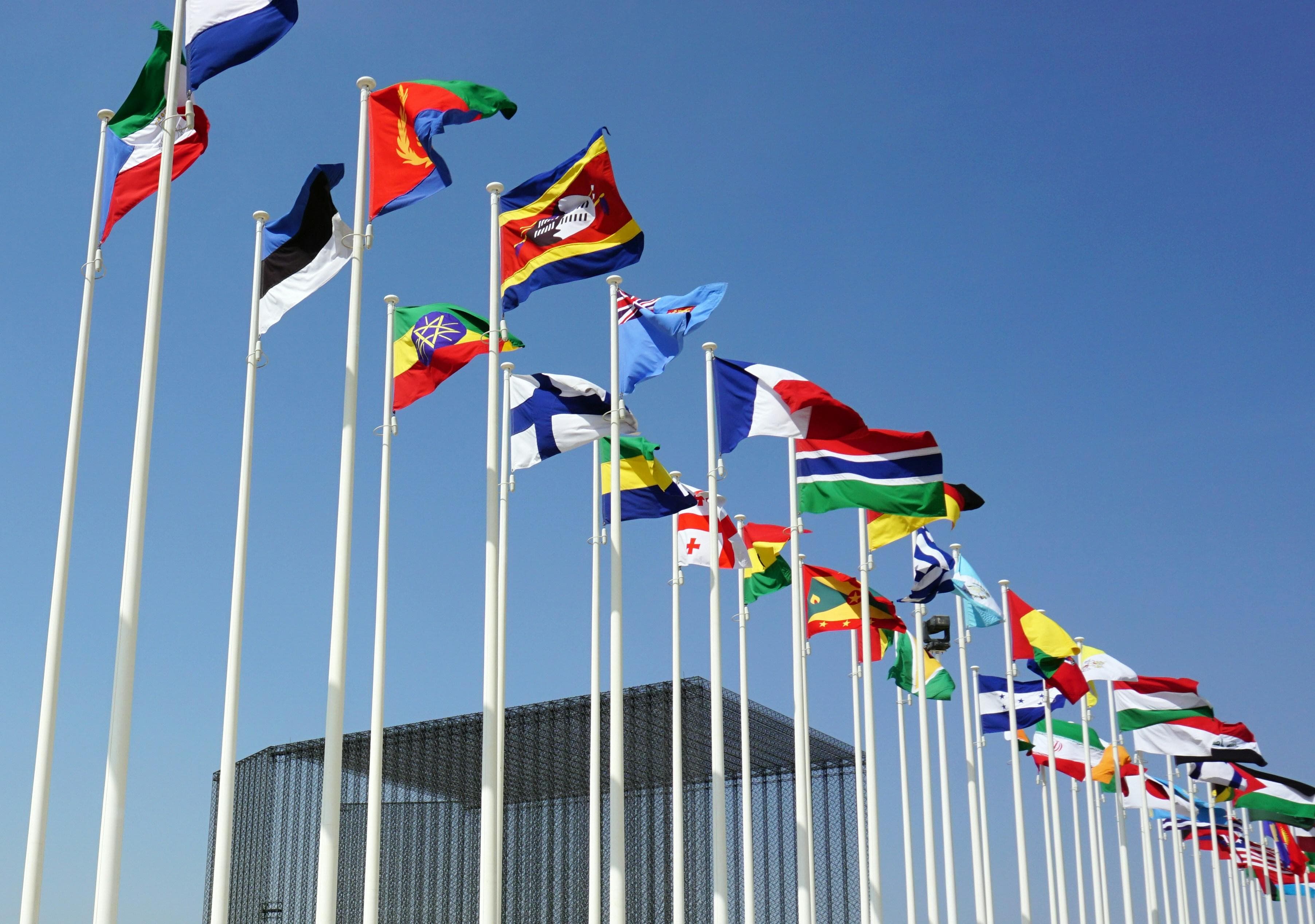
Discover how AI-powered DAM systems optimize multilingual content collaboration, boost cross-border team efficiency, and ensure brand consistency globally.
Problem: Cross-border e-commerce and global brand teams frequently encounter multilingual inconsistencies, translation delays, and version chaos in content collaboration. How can regional teams work on the same page?
Solution: Through DAM systems with multilingual interfaces and automatic content recognition, teams can achieve language-adapted file management, automated translation suggestions, unified versioning, and permission segmentation on a single platform—significantly reducing communication costs while enhancing global brand consistency.
Key Outcome: After implementing intelligent DAM solutions, content localization cycles are cut in half, and cross-language approval and review processes accelerate substantially. This article explores how cross-border teams leverage AI DAM systems to achieve genuine efficiency gains in language collaboration.
Scene Recreation: Cross-border brands often operate across multiple language markets—marketing teams draft copy in Paris, designers update materials in Shanghai, and legal reviews content in New York. Language differences not only create translation challenges but directly impact brand expression consistency, cross-departmental collaboration efficiency, and market response speed.
When enterprises rely on traditional folders or email to manage multilingual content, they commonly face these dilemmas:
An international content team once experienced a regional marketing campaign where language version management chaos led to brand slogans in final posters failing to synchronize updates—the English version had iterated to 3.0 while the Japanese version remained at 1.0. This mishap not only damaged brand image but plummeted cross-departmental trust to rock bottom.
Turning Point: After introducing AI-powered MuseDAM, they achieved unified multilingual version management where a single update synchronized all global versions in real-time. This transformation not only boosted collaboration speed by 50% but also rebuilt content team trust, ensuring brand tone maintained high consistency across global markets.
Core Value: Quality DAM systems enable global teams to truly achieve "one platform, seamless collaboration" through dual-track parallel language management capabilities.
Users can select interface languages by role, region, or personal preference—whether English, French, Chinese, or Spanish—with flexible switching. This localized experience not only reduces learning costs but supports autonomous collaboration across time zones.
Scenario Example: When a designer in Tokyo logs in, the interface automatically displays in Japanese; meanwhile, a marketing manager in Paris sees the French interface—same platform, zero language barriers.
The system automatically detects language tags in file metadata and intelligently recommends corresponding versions based on user preferences. For instance, when Japanese teams log in, Japanese localized content appears first; English teams see English versions.
Mechanism Advantage: This design ensures "same asset, multilingual presentation" without creating duplicate files or relying on manual tagging. Through MuseDAM's metadata management functionality, all language versions link to the same asset ID, completely eliminating version misdelivery risks.
A cross-border e-commerce team shared: "During a product launch covering 12 language markets, DAM's automatic language matching functionality alone prevented 3 potential translation version misdeliveries. Language collaboration cycles shortened from 4 weeks to 1.5 weeks, meaning cross-regional marketing campaigns could launch earlier, reducing resource waste by at least 30%."
Key Insight: AI technology elevates multilingual collaboration from "manual transportation" to "intelligent matching," significantly reducing translation costs and time losses.
AI deeply analyzes text, image OCR content, and video subtitles, automatically identifying language types and applying precise tags. Upload a product manual containing Chinese and English? The system automatically splits and labels both language versions.
When uploading content in non-default system languages, AI provides instant translation previews and terminology consistency suggestions. For example, proprietary brand terms (like "MuseDAM") automatically match terminology databases, ensuring global translation consistency.
Users can search keywords in any language, with the system matching corresponding content through semantic understanding. French teams searching "promotions d'été" can find assets tagged "Summer Sale" in English—language is no longer a search barrier.
ROI Value: After introducing AI language recognition, a global beauty brand reduced content review personnel from 8 to 3, lowered translation outsourcing costs by 40%, while boosting approval efficiency by 60%.
👉 Learn more about MuseDAM's Intelligent Parsing and Smart Search.
Core Challenge: In multilingual scenarios, "flexible local market adaptation" and "maintaining global brand consistency" are often difficult to achieve simultaneously. How can you authorize regional teams for autonomous creation while ensuring brand tone doesn't deviate?
To prevent version loss of control, MuseDAM recommends adopting the following strategies:
👉 Reference MuseDAM's Version Management and Permission Control.
In actual implementation, brand teams can follow these five-stage best practices to ensure steady establishment of multilingual collaboration systems.
Strategic Value: This system not only makes current collaboration smoother but forms long-term language asset management mechanisms, providing structured support for global brand expansion, ensuring each market expansion can quickly replicate successful experiences.
Yes. AI-driven DAM systems can automatically identify language types and apply tags through file metadata and content semantic analysis.
Absolutely. MuseDAM supports multilingual interface switching, allowing users to set languages by personal or team preferences.
MuseDAM employs encrypted sharing mechanisms and access controls to ensure data security and compliance during AI translation processes.
Completely. Through Version Management Features, each language version binds to the same asset ID, forming a clear version tree. Any update is traceable, completely eliminating "can't find the latest version" frustrations.
Quite the opposite. A unified platform reduces cross-language redundant communication and file transfers, actually improving overall approval efficiency. Actual data from a global FMCG brand shows approval cycles shortened from an average of 12 days to 5 days, a 58% efficiency boost.
Language should not be a barrier to globalization but rather a bridge for brands to reach more markets.
If your team faces:
Then it's time to make a change. Over 500+ global brands have already chosen MuseDAM to restructure their multilingual content collaboration systems, achieving true global operations. Don't let language barriers continue dragging down your globalization progress. Chat with our solution experts to get a customized multilingual collaboration plan tailored for you.